
New Jersey Recent Arrests
New Jersey has no statewide booking desk and no single public feed for every arrest. Municipal police, county sheriffs, and prosecutors each create their own records. The New Jersey State Police does too. A charge can end in a summons. It can also end in a release, a transfer, or a county jail stay. Only some of those paths leave a public custody entry. A feed can show an arrest before any court review. A roster can drop a person after release, while the booking record stays with the agency.
So start with the arresting agency when you know where the arrest happened. If the person was held, find the county that received custody. That county is not always the arrest county. Hunterdon processes people. But it may house them under contract in Warren County. Sussex has used the Morris County Correctional Facility since fall 2019. Passaic runs no jail of its own. It points custody questions toward Bergen or Hudson. NJSP news releases can also name a county lodging site. County routing, in other words, is a real part of any New Jersey recent-arrests search.
Read the status carefully. Charges can change or be dropped later, and the court's disposition lives in a separate record system.
Why New Jersey Arrest Searches Split by County
New Jersey's 21 counties do not publish the same view of arrests. Some counties offer an inmate lookup. Some expose a date-based booking report. Others list no verified public county roster at all. A municipal police blotter can describe an incident but says nothing about whether the named person is still in custody. A jail search answers a narrower question: whether that facility currently holds a matching record. It may leave out summons cases, people released soon after booking, or juveniles. Sealed matters and anyone lodged elsewhere may also be missing.
For custody geography, match the county site to the arrest or the receiving facility. Open it through the locality list. The state directory links to each county's separate arrest records and coverage. Its city pages stay on those county sites. When a State Police release names a county jail, go to that county. Use its official corrections portal or records office. Do not assume a person sits in the county named in a news story. Assume it only when the source states the location. The booking county and the arrest county can easily differ.
Note: An arresting agency and a receiving jail can hold separate records, so one request may not reach both custodians.
New Jersey Arrest Feed Windows
The word "today" means different things across county systems. Middlesex County offers a booking-date report you can run for a date range. Burlington County's Prosecutor's Office posts a date-selectable incident blotter described as a 24-hour period. It is an incident view, though, not a jail roster. Union County says its inmate portal updates daily. That is not a promise that every arrest appears within 24 hours. Ocean and Essex focus on custody lookups and allow a released-person search. New Jersey also has municipal blotters, prosecutor posts, State Police releases, and dated campaign reports. Each source sets its own window and scope. Use a custody roster for current jail status. Use a dated blotter for the incidents its agency chose to publish.
| Window | New Jersey examples | Scope and deeper statewide map |
|---|---|---|
| Same-day and current custody | Middlesex booking-date report; Burlington 24-hour incident blotter; Union daily portal; Ocean and Essex custody searches. | These are different views, and many counties have no verified public daily roster. See the statewide same-day arrest map. |
| Multi-day and dated publications | Selected municipal blotters, prosecutor posts, NJSP/OAG releases, and aggregate campaign reports. | Event-based coverage is not one statewide intake list. Compare windows and archive limits in the New Jersey police blotter landscape. |
The Middlesex booking-log screen presents a date-range form, not a live list of statewide arrests. Its fields show why each source's own time window matters.
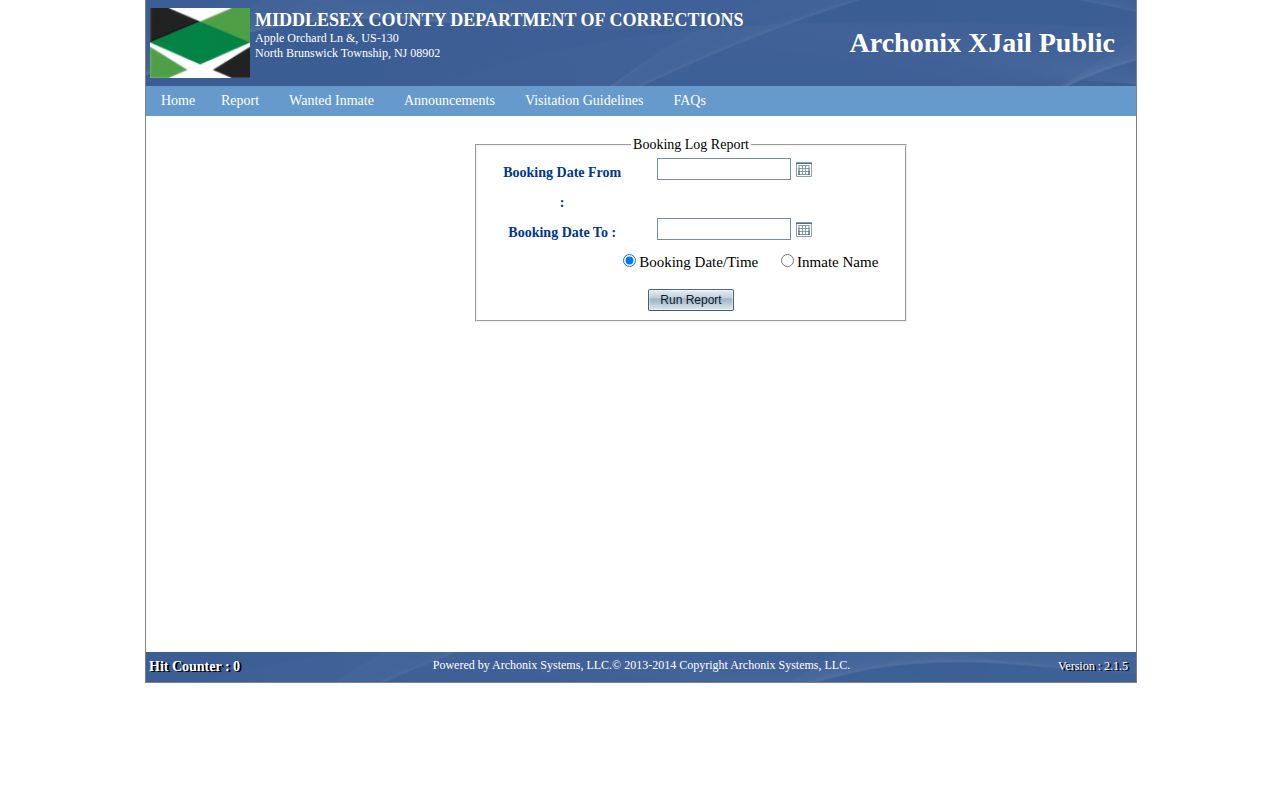
Check the county's current instructions before trusting a result. Portal controls and labels can change.
Does no roster result mean no arrest? No. The person may have been released. They may have been booked in another county, processed under a different name, or left out of a public view. When the official search does not settle it, ask the arresting agency or records custodian.
Where New Jersey Arrest Logs Appear
County corrections portals, prosecutor incident pages, and municipal police blotters serve different purposes. Burlington’s Prosecutor’s Office makes a date-selectable incident view available. Hoboken and other municipal departments publish selected blotters, while local police sites may post weekly reports or brief news items. NJSP and the Attorney General publish selected enforcement news and major case announcements. The state-level posts are not a daily person-by-person arrest log, and a campaign report gives totals rather than names.
A dated blotter can help locate a report, but it is not a custody check. Keep arrest date, booking date, release date, and publication date separate. For an older entry, ask the publishing department whether an archive exists and ask the correct custodian for a copy. A multi-day log differs from a current inmate search because its sources have their own windows and archive limits.
The Burlington County incident blotter lets a visitor choose a date and describes regular updates. It is an official example of a searchable incident view, not a statewide arrest feed.
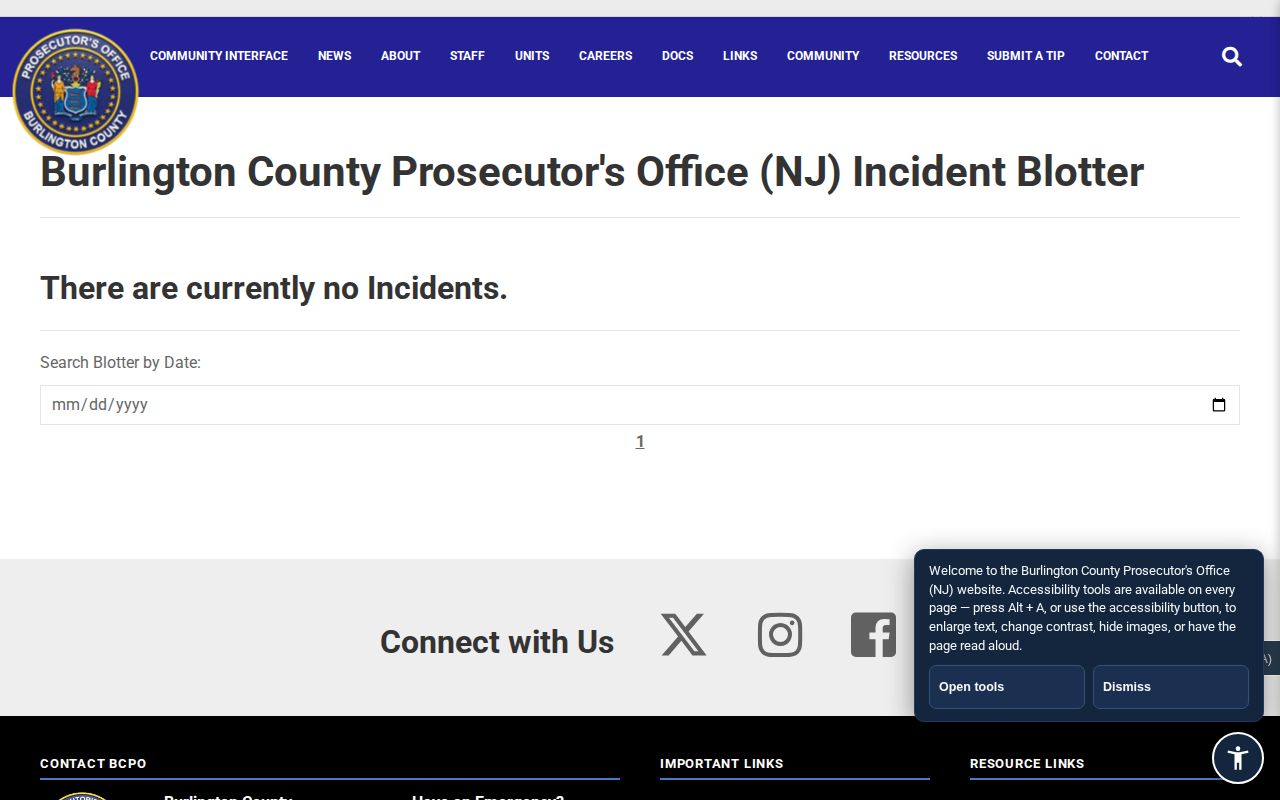
One caution about blotter searching. A query can return no incidents for a date you select. An empty screen is not proof that nobody was arrested. For broader context, New Jersey's aggregate traffic-enforcement data reports campaign totals and historical activity. It is not a roster of named arrestees. It sheds light on State Police enforcement programs. But it cannot stand in for an individual record.
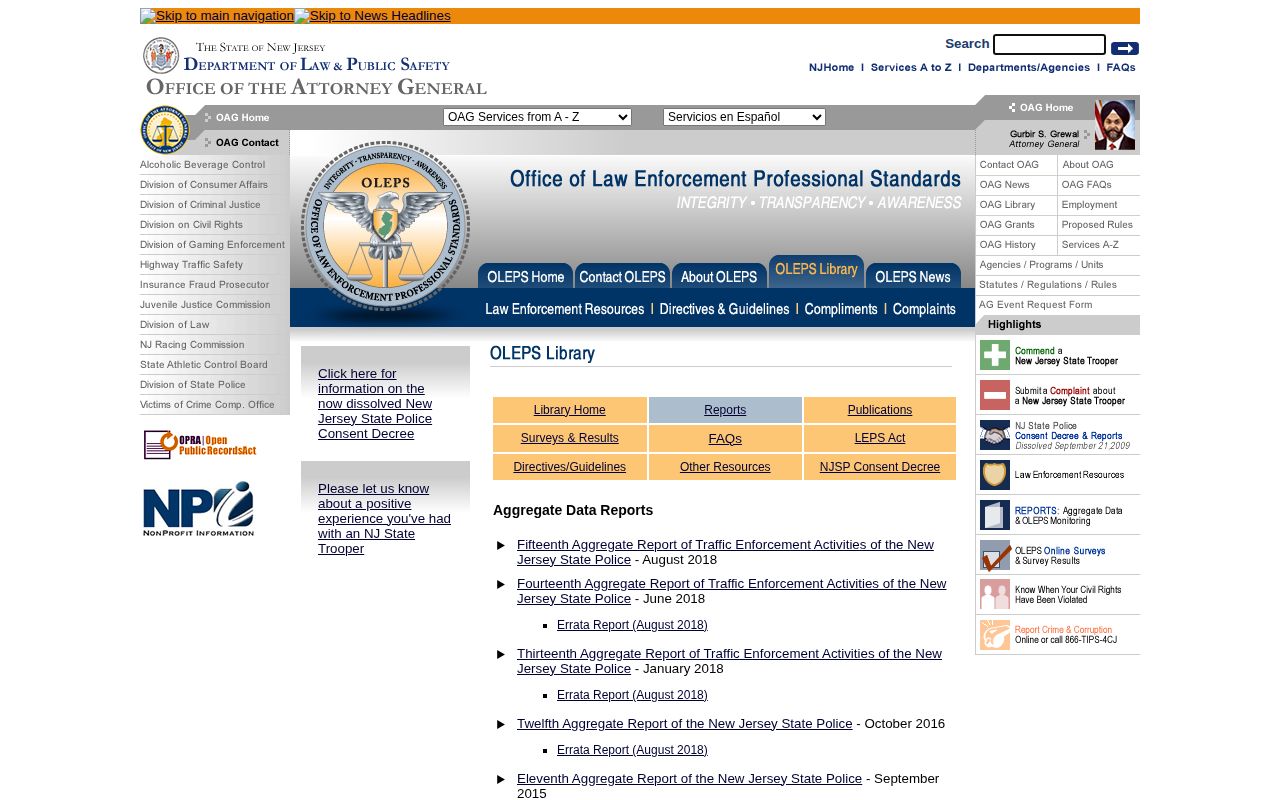
Treat totals as totals. They cannot confirm that a specific person was arrested or where that person was booked.
Note: An empty public roster can reflect a narrow time window, prompt release, exemption, or booking in another county.
What a New Jersey Booking Record Shows
There is no one statewide county booking form. A county roster may show only a name, primary charge, booking date, booking agency, bail, custody status, or a facility profile. Union’s public portal lists fields such as name, primary charge, arrest date, booking agency, details, and selected images. Hunterdon’s current-population report includes a person’s name, number, description, and bail. The county record kept by the agency can hold more detail than a short public screen.
OPRA names basic arrest information that must be made available as soon as practicable and within 24 hours in the statutory circumstances. It includes the person’s name and specified background details, the complaining party, charges or accusation unless sealed, arresting personnel and agency, the investigation’s length, and immediate arrest circumstances. Safety, investigative, juvenile, privacy, and other legal limits can affect release.
| Record or search field | Fields or what the source may show |
|---|---|
| Roster search controls | Controls vary: Bergen accepts a name or identifier; Essex supports name, date of birth, and identifier searches plus released-inmate inclusion; Middlesex offers a name/date-range booking log. Use extra identifiers only when the portal provides them. |
| Current county booking | Name, booking or inmate number, booking date, primary charge, bail, booking agency, current facility, custody status, and release or transfer details when that system displays them. |
| Booked versus released | A current roster describes custody at search time. After release, a person can drop from that view or appear only when a released-inmate option is selected; the jail may retain the booking record. |
| County photo field | A booking image may appear on selected Essex, Ocean, Salem, or Union profiles; other county policies are unstated or no public image field was verified. |
| OPRA arrest information | Specified identity details, complainant, charge, agency and officers, investigation length, and immediate circumstances, subject to statutory exceptions. |
| NJDOC state-custody profile | Aliases, state identifiers, commitment order, county of commitment, current facility, custody entry and exit, sentence history, release and parole dates, offense citation, physical descriptors, and incarceration history. |
A county booking record and a NJDOC profile answer different questions. County systems track a local booking or a current jail stay. The New Jersey Department of Corrections profile concerns state custody after sentencing. So it does not establish a new arrest. A photo may appear on a particular official profile. But no source promises one on every result. To search a county roster, follow these steps:
- Identify where the arrest occurred and where the person may have been lodged; those counties can differ.
- Open the receiving county’s official custody portal and search the name as the portal requests. Add a date of birth or identifier only when the site provides that field.
- Use an “include released” option if available, then compare the booking date, agency, status, and facility before treating a result as a match.
- If no match appears, check the arresting agency and ask the county records unit whether a booking exists or a request is needed.
The Ocean County inmate search shows one version of this. It is an official current-custody portal with selected profile images. Use it as a search tool, not as a full archive of every arrest.
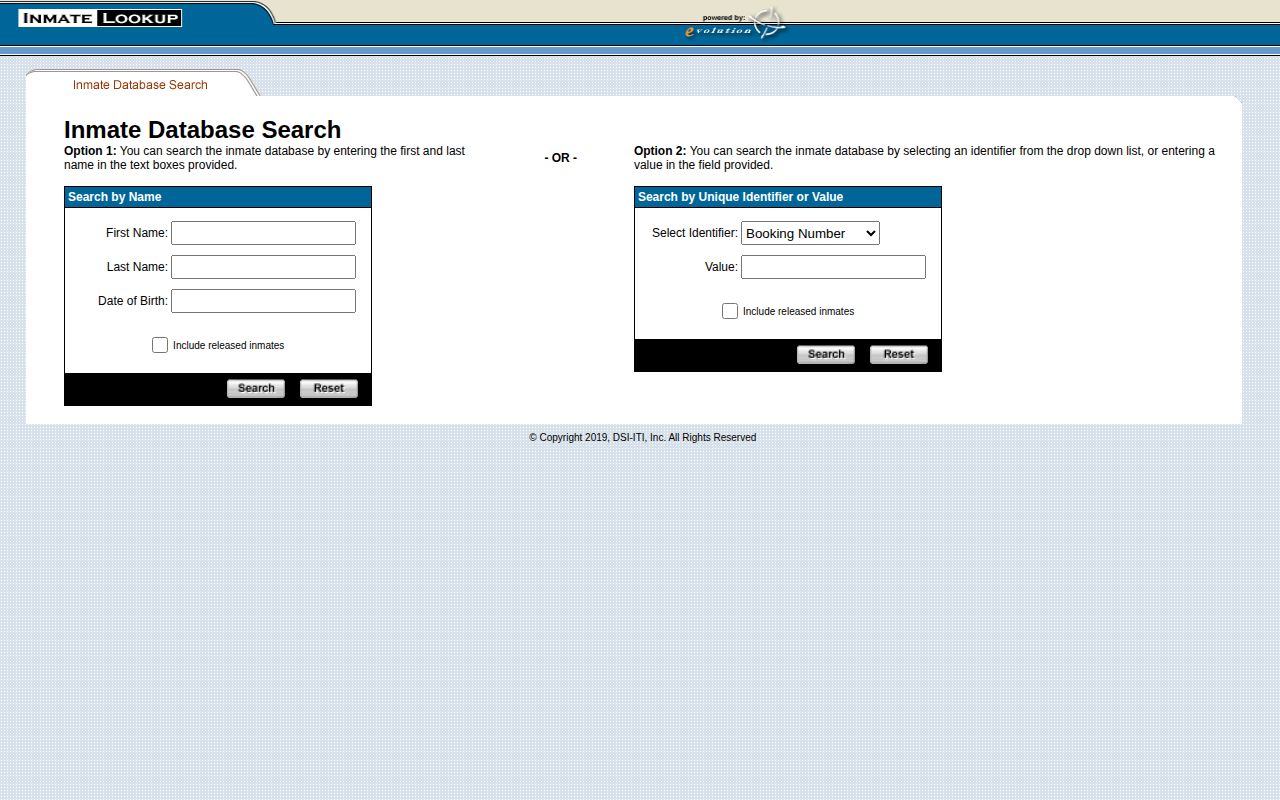
Check the status and date fields on the profile, then contact the county when an older booking record is needed.
Note: A photo visible on one county profile does not set the image policy or public-record rule for every county.
How to Request New Jersey Arrest Records
Put every records request in writing. Keep it narrow. Send it to the agency that holds the record. The arresting department may keep the incident report. The receiving jail holds the booking and movement record. New Jersey's Open Public Records Act requires a response as soon as possible. The limit is no later than seven business days when the record is available and not stored or archived, subject to the statute's details. Basic arrest facts follow a separate statutory timing rule in specified circumstances. A photo request can still be denied even when basic arrest information is releasable.
- Identify the arresting agency and, if known, the county facility that received custody. Include the arrest date or date range, incident or complaint number, and the record type.
- Submit the written request to that agency’s records custodian using its form or an OPRA-compliant written request. Ask for the incident report, booking record, or custody movement record by name.
- Request a photograph separately. Executive Order 69 limits routine OPRA access to criminal-investigation photographs, and another statute, safety issue, or case rule may also apply.
- For an NJSP report or photo, use the Criminal Justice Records Bureau’s SP-275 form. It lists a $10 report fee and photo fees of $5 for each of the first ten photographs and $3 for each additional one. The form says the case must be closed for photo release and supplies complete sets, not individual images.
- Check the New Jersey Courts record for the case outcome. A booking charge is not the court’s final disposition.
SP-275 has its own limits. It excludes records subject to prosecutor discovery. Those requests go to the municipal or county prosecutor. Agencies may redact protected addresses, victim information, juvenile details, medical data, or active-investigation material. Its crash-report timing statement fits that context alone. Do not read it as a promise for an arrest report. The Government Records Council's OPRA text explains the public-access baseline. It also sets out the limits that apply to a request.
The paper form is a useful reminder. Route, fee, and release rule all depend on the kind of report. Paying a fee does not guarantee that a photograph can legally be released.
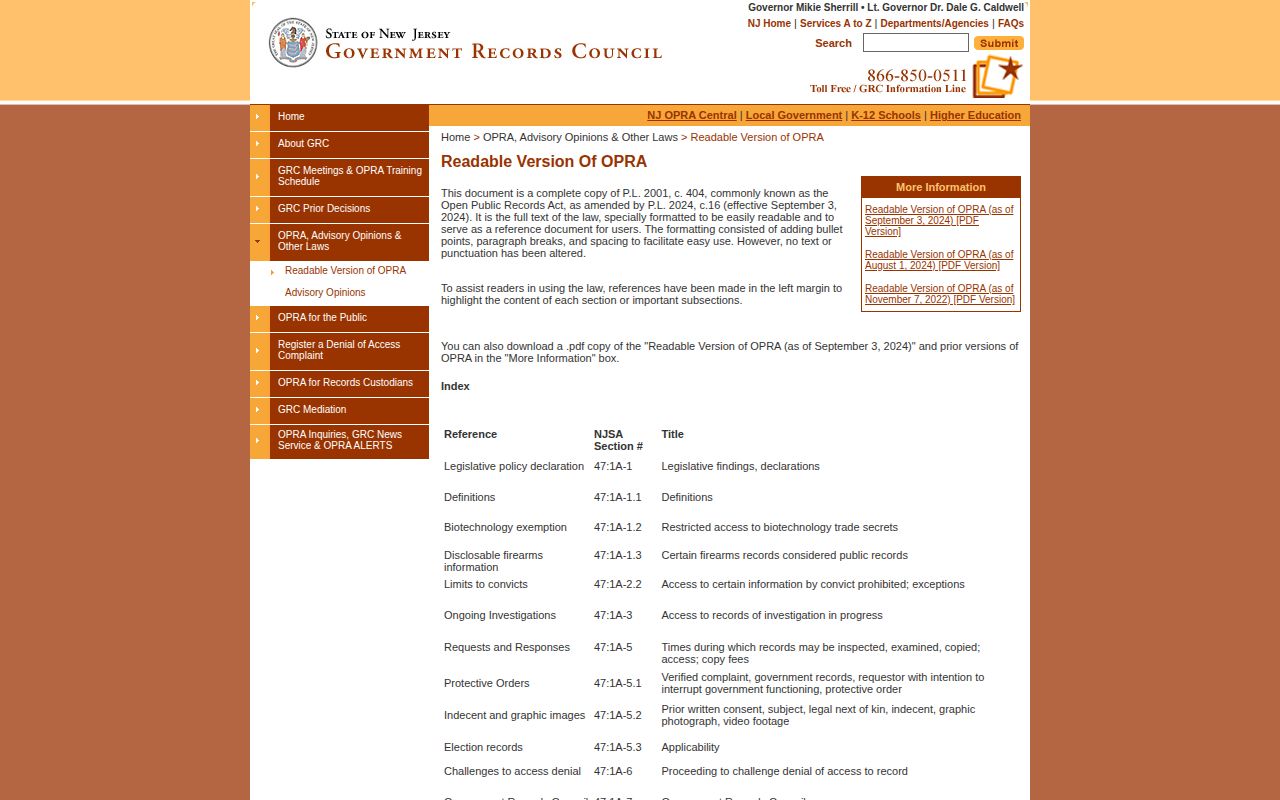
Send each request to the custodian responsible for that record. Keep the response and any stated exemption with the file.
New Jersey Mugshot Photo Policies
Not every New Jersey county posts a booking photo online. The rule comes from Executive Order 69. It places fingerprints, plates, photographs, and similar criminal-investigation records kept by state or local agencies outside ordinary OPRA inspection and copying. Basic arrest information stays open, though. So a county roster can list a person with no picture at all, and some profiles carry an image while others do not.
County practice is all over the map. Essex and Ocean display images on selected profiles. Salem and Union expose image fields. Bergen's secondary directory states plainly that the county provides no mugshot images. Atlantic, Camden, Cumberland, Gloucester, Hudson, Mercer, Morris, Somerset, Sussex, Warren, and several others publish no settled countywide image policy. A blank photo box can mean the image is withheld, missing, or simply not published by that system.
Essex County's inmate lookup takes a name or an identifier search and adds an "include released inmates" option. Image behavior depends on the profile. No fixed same-day cutoff applies.
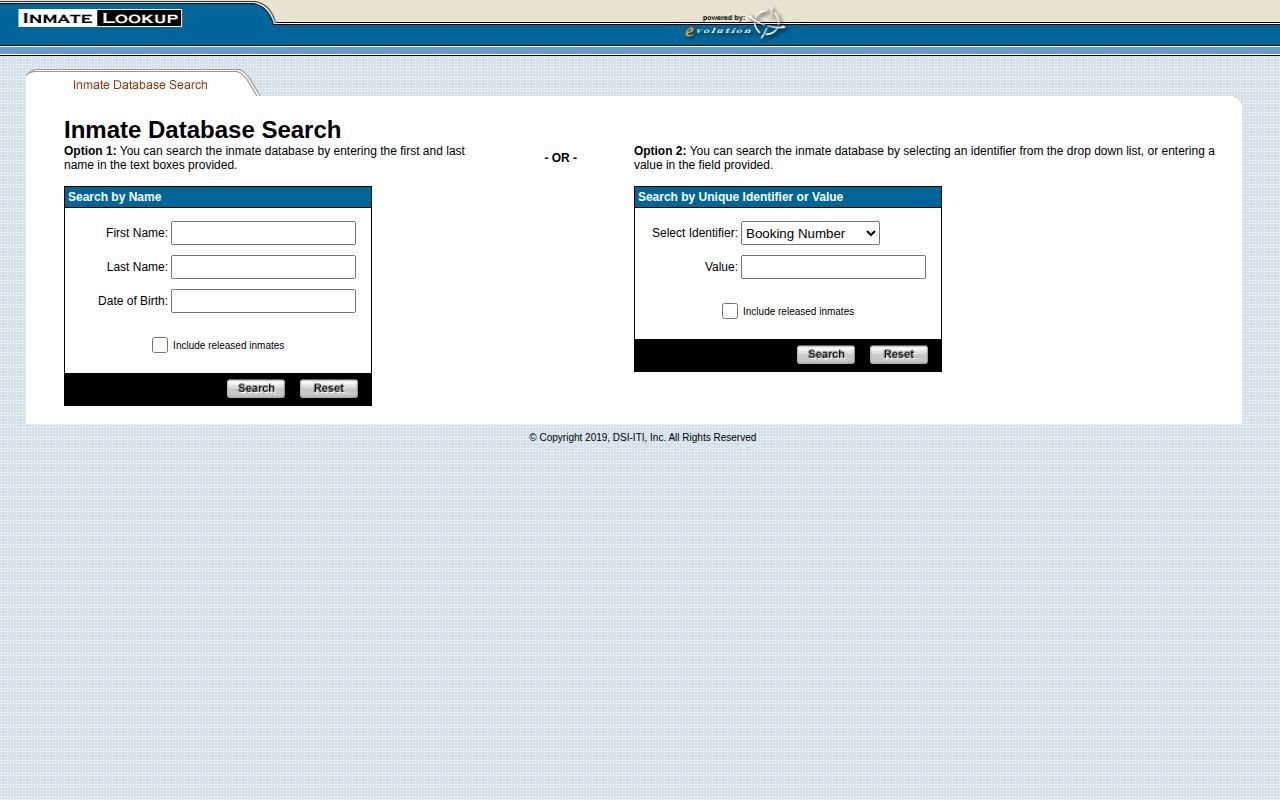
State custody adds another layer. NJDOC's offender search may show a photo on an individual profile. Not every profile gets one. The federal BOP locator confirms custody rather than serving as a public booking-photo gallery. ICE runs its own separate locator. No single database gathers county jail, state prison, federal custody, and immigration detention in one place.
The New Jersey Courts search page handles case records and outcomes rather than photo rosters. Court files can be restricted. Read an arrest result next to later docket events.
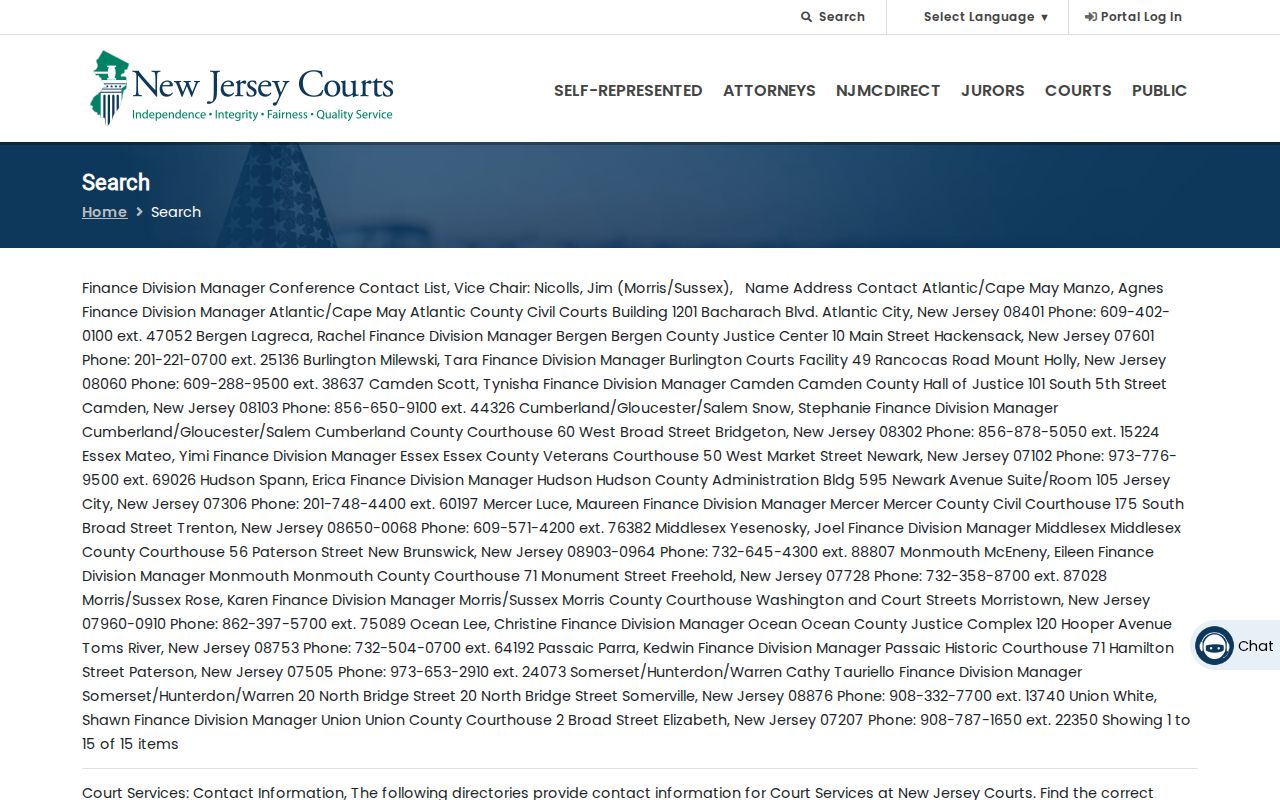
A court search shows how each charge truly ended: dismissal, judgment, or another disposition.
Where New Jersey Mugshot Pages Appear
Private sites and news pages often keep arrest details after an official roster has moved on. They are secondary sources. Neither runs the jail or the court. Coverage there is spotty, sometimes stale, sometimes duplicated, and occasionally pinned to the wrong person entirely. Go to the source first. Police, jail, prosecutor, and court records come first. A careful search for an official arrest record or booking image follows this order, and any third-party listing is just a lead until an official record confirms it. Its photo should never be copied into another page.
- Identify the arresting place and the county that may have received custody; use an official county portal for a current booking or custody result.
- If the roster does not answer the question, check the arresting police or prosecutor’s dated publication and the court’s case record as separate sources.
- View an image only when an official profile displays one or a records custodian confirms that a lawful copy can be released.
- Compare the date, agency, and identifiers. Treat a commercial page as a lead, then verify any charge or later disposition with the official source.
| Source | New Jersey coverage | Status and caution |
|---|---|---|
| County jail and police portals | Custody and official record information from the responsible agency. | Official first stop; each system has its own window and photo rule. |
| Busted Newspaper | Selected county sections, including Cumberland, Essex, Ocean, Salem, and Sussex in the checked navigation. | Unofficial, partial, and subject to correction requests; not a statewide roster. |
| RecentlyBooked | Advertises a 30-day view and selected county pages refreshed multiple times daily. | Publisher timing claim; the index does not cover every county. |
| Mugshots.com | State and county indexes with older date ranges. | Unofficial archive; its depth is not a government retention schedule. |
| Arrests.org | Selected county pages with dates, charges, and images. | Its own contact page disclaims completeness; confirm at the source. |
| Mugshots.zone | Sections for selected counties, including Cumberland, Essex, Ocean, and Salem. | Unofficial archive and publisher policy; not an official case record. |
News outlets across New Jersey also report selected arrests. The list includes Patch, TAPinto, NJ.com/NJ Advance Media, NorthJersey.com/The Record, and NJ 101.5. Each covers local police and prosecutor activity. These are editorial reports, not live custody feeds. A story can be accurate on its publication date and still need context later, after a dismissal or expungement. A publisher's free correction process and a legal court order are two separate steps.
Secondary material should never become a mugshot gallery. An image can linger on a third-party service after a county roster drops it. That does not make it current or authoritative. New Jersey's anti-extortion law targets certain economic exchanges around withholding or disclosing arrest-identifying information. No automatic takedown right follows for accurate publications.
Does a photo on one county roster mean the same photo is public statewide? No. County portals show different image fields, and many lack any verified public photo policy. Executive Order 69 also limits routine OPRA access to criminal-investigation photographs, even when basic arrest facts are releasable.
Note: A third-party photo archive may remain online after a county roster changes and cannot confirm current custody.
New Jersey Arrest Records and Public Law
OPRA sets New Jersey's public-access baseline. The statute sits at N.J.S.A. 47:1A-1 and following. Under N.J.S.A. 47:1A-3, basic arrest information must be released as soon as practicable, and within 24 hours where the statute applies. That clock does not unlock every police file, booking image, juvenile record, or active-investigation item. A custodian should name the legal basis for any denial or redaction.
The 2017 law, P.L. 2017, c.123, attacks a different problem. It is codified at N.J.S.A. 2A:58D-3 and -4. The statute bars soliciting or accepting an economic benefit in exchange for holding back identifying arrest information, including an arrest photo. Disclosure after such a payment is barred too. Lawmakers weighed public access against paid publication harms. Free reporting is untouched. A correct old report is not erased automatically when a charge is dismissed.
New Jersey rules draw lines between basic arrest facts, investigative material, court outcomes, and eligible expungement. Request the right record from its custodian. Ask the court about expungement, and use a publisher's free correction process when its policy fits.
New Jersey Warrants and Wanted Lists
New Jersey offers official wanted lists, though none of them is a live warrant search for every court. The New Jersey Attorney General's Most Wanted page profiles selected fugitives along with warnings and official tip methods. So does the New Jersey State Police wanted page. Entries come and go. Treat a listing as current only after the agency's own live notice confirms it.
Parole matters run through a separate offender-information route at the State Parole Board. It handles fugitive tips too. It is not a full roster of absconders. Federal fugitive and pretrial custody work falls to the U.S. Marshals New Jersey district, which posts no county-style detainee list. Whether a warrant still stands can hinge on the municipal or Superior Court that issued it. A direct inquiry, or a lawyer, may be needed.
To check a possible warrant, contact the issuing court or the agency's official number. Ask how to resolve the matter. Never approach, follow, or warn the person named. Emergencies go to 911. Anything else should travel only through the tip channel the agency itself posts.
- Confirm which court or agency issued the warrant or wanted notice.
- Use that court’s official case route or ask a licensed attorney to verify status and next steps.
- For a wanted-person tip, follow the official page’s instructions without approaching the person.
After a New Jersey Booking
An arrest leaves footprints in several systems. It starts with a police report. Then comes a booking or a summons. A first court event follows, then a later court disposition, and possibly release, transfer, sentence, or expungement. Each system answers a different question. A roster says who is in custody right now. The police record reflects the agency's own report, while the court record shows what happened in the case. A dismissal is not itself an expungement. The New Jersey Courts public search opens the public case tools, including the PROMIS/Gavel and municipal portals, subject to access limits. A state prison sentence moves the record elsewhere. The Department of Corrections' offender information page links to the state offender search, where a profile can show sentence and facility data but no recent county-booking feed. The Federal Bureau of Prisons locator covers federal sentenced custody, and the ICE Online Detainee Locator covers immigration detention. New Jersey VINE sits apart from both and does not track every federal or immigration movement.
- Booking
- The jail’s intake record after a person is accepted into custody; a summons may not create a jail booking.
- Arraignment
- A court event where a defendant is informed of charges and the case proceeds under court rules.
- Bond
- A court-ordered financial condition tied to release, if one applies; roster labels may use different terms.
- Disposition
- The court’s recorded outcome for a charge or case, which can differ from the booking charge.
- Expungement
- A court order that limits public access to eligible records under New Jersey law, subject to statutory exceptions.
The federal locator's form asks for a name or number. It posts no booking-photo gallery, and its custody status can differ from a county or state result.
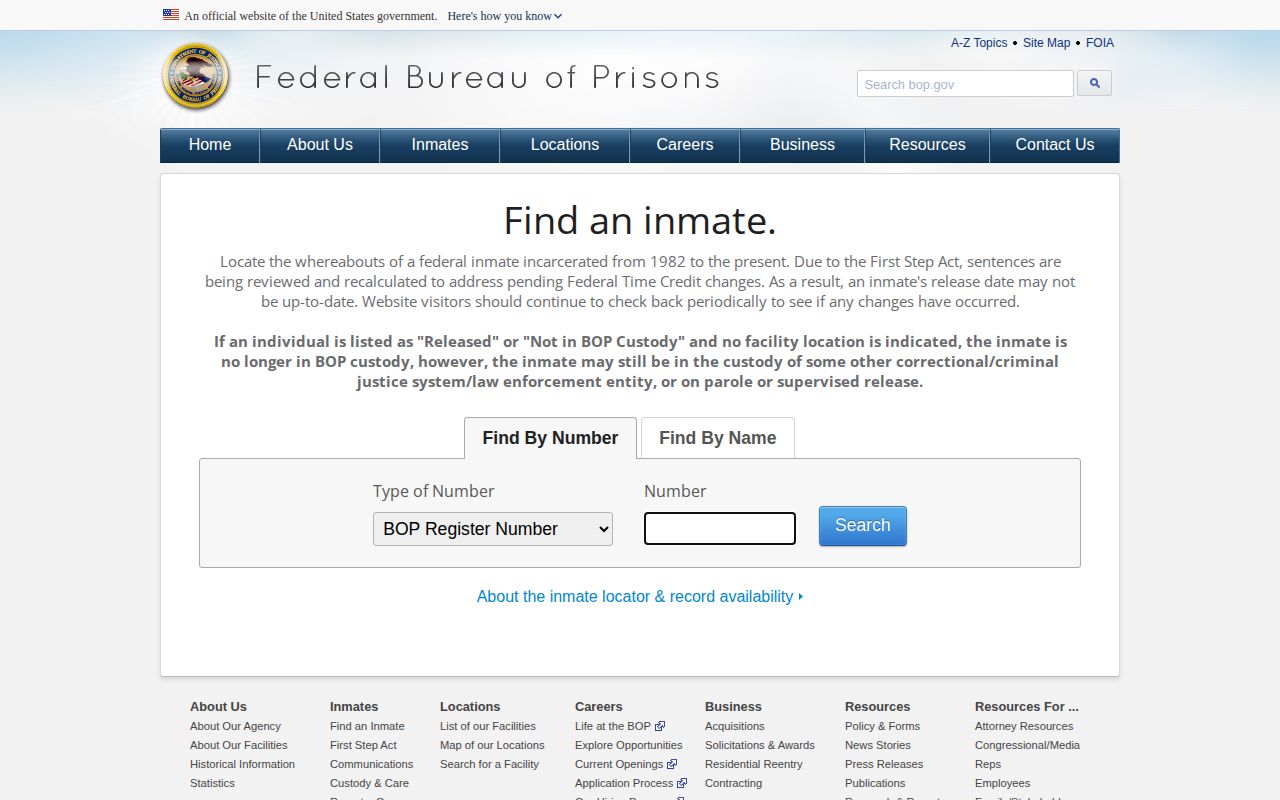
A federal result covers federal custody only, so match the agency to the record you actually need.
A booking is one step, not the whole story. Court records show where the case goes from there.
Older New Jersey Records
Online visibility and retention rules are different things. New Jersey Treasury's jail schedule sets retention by series. Daily blotters or inmate-movement logs form one of them. Photo cards and inmate-history files make up another. A daily working series carries a three-year minimum. Some photo and history series run ten years past disposition or release. Jail commitment registers sit in a series of their own. They are kept permanently. Booking, court-slip, bail, transport, discharge, and incident records each have an entry. None of this promises a web page stays up that long.
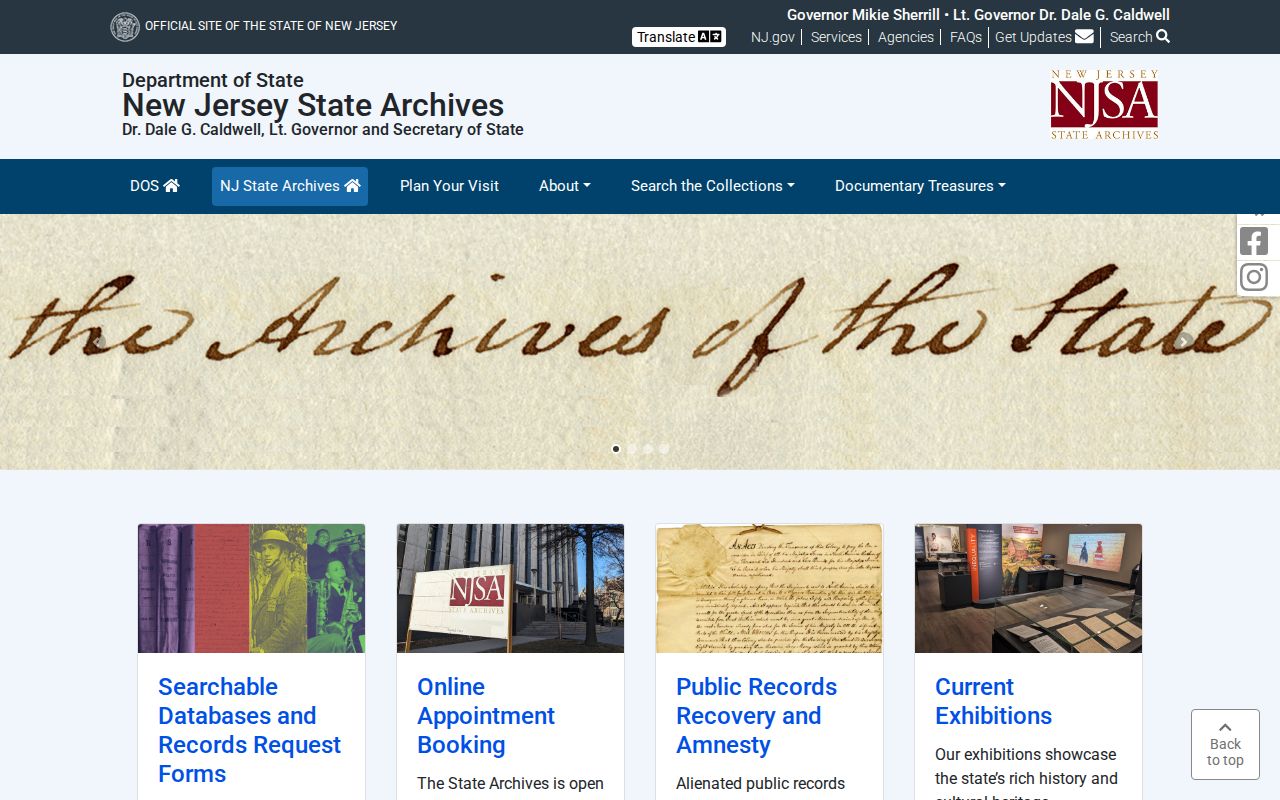
For old government records, start with the New Jersey State Archives search. Next, find the county clerk or records officer holding the county material. The catalog reaches deep into correctional history. No statewide digitized set of modern county booking photos appears there. It is not a current-mugshot lookup. A narrow OPRA request should name the agency, the record type, and the date span. Ask for preservation where a lawful basis exists.
The Archives' search page leads to catalogs and finding aids rather than a live arrest feed. That keeps history apart from a custody check.
Keep the original source date with any old record. Then check for a later correction, disposition, or expungement order before relying on it.
Note: New Jersey retention schedules govern agency files; they do not promise that a public website will keep the same page online.